CSR Focused on Results: The First Steps to Creating an Effective Strategy
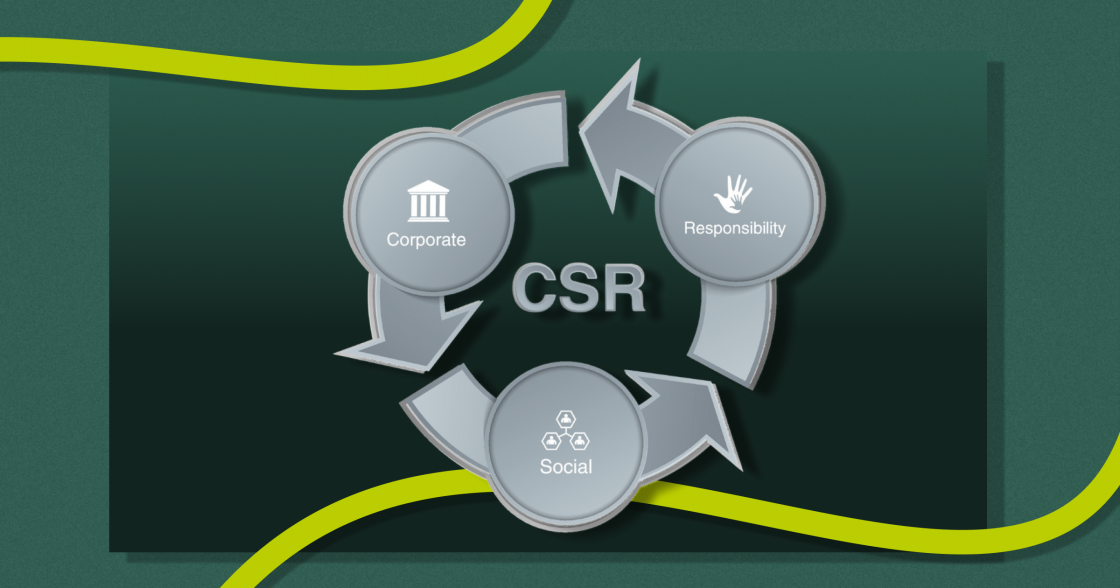
Corporate Social Responsibility (CSR) is gaining increasing importance in the business environment and is becoming a key element of many companies' strategies. An effective CSR strategy can not only enhance a company’s reputation but also deliver tangible financial benefits.
A CSR strategy focused on real societal needs and integrated into business processes can provide added value to a company. This can increase customer loyalty, attract talented employees, reduce operational risks, and improve overall competitiveness. However, achieving these results requires proper development and implementation of a CSR strategy.
A CSR strategy focused on real societal needs and integrated into business processes can provide added value to a company. This can increase customer loyalty, attract talented employees, reduce operational risks, and improve overall competitiveness. However, achieving these results requires proper development and implementation of a CSR strategy.
This article explores how to get started and create an effective CSR strategy that benefits the business. You’ll learn about the key stages of preparation, development, implementation, and evaluation of CSR initiatives, as well as how to ensure their maximum efficiency.
Preparation Stage
The first step in creating an effective CSR strategy is conducting a thorough analysis of the company's current state. It’s essential to assess existing initiatives and their impact on the business and society. This analysis will help identify the strengths and weaknesses of current CSR activities and opportunities for improvement. Step-by-step:
Assessment of Current Initiatives:
- Review all existing CSR initiatives and programs.
- Evaluate their effectiveness using specific metrics and stakeholder feedback.
- Determine how well these initiatives align with the company’s overall business goals.
Identifying Strengths and Weaknesses:
- Determine which aspects of the CSR strategy are working well and can be expanded.
- Identify problem areas that need improvement or reorganization.
SWOT Analysis:
- Conduct a SWOT analysis (Strengths, Weaknesses, Opportunities, Threats) to gain a comprehensive understanding of the company’s internal and external environment regarding CSR.
After the analysis, it is crucial to set clear CSR strategy goals to achieve both social and business results. Specific goals will help maintain focus and measure the success of initiatives.
Use the SMART formula, ensuring goals are Specific, Measurable, Achievable, Relevant to the company’s overall strategy and values, and Time-bound.
Use the SMART formula, ensuring goals are Specific, Measurable, Achievable, Relevant to the company’s overall strategy and values, and Time-bound.
To formulate strategic goals, key performance indicators (KPIs) must be identified. In the case of a CSR strategy, both quantitative and qualitative indicators should be selected, such as employee satisfaction levels or community feedback.
Next, develop an action plan consisting of specific steps and tasks to achieve these goals. Assign responsible individuals for each task and allocate sufficient resources to implement the plan.
Developing the CSR Strategy
Identifying priority areas of activity in the development of a CSR strategy will help the company focus on those areas that will positively impact both society and the business.
This stage begins with setting priorities and ends with aligning business goals and social needs. Conduct internal research to identify key social and environmental issues that align with the company’s values. Consider global trends such as climate change, sustainable development, and social inequality.
Ensure the chosen CSR directions align with overall business strategies and contribute to achieving the company’s long-term goals. For example, an energy sector company might focus on renewable energy development and energy efficiency.
Engaging Stakeholders
A critical factor in the success of CSR initiatives is stakeholder engagement. They can provide support in implementing CSR and contribute to more effective interactions.
Stakeholders in CSR initiatives can include employees, customers, and suppliers. To engage them, organize consultations and surveys — this will help identify their expectations and suggestions, as well as ensure their involvement in decision-making.
Partnerships with non-profit organizations and local communities can help scale and enhance CSR initiatives. Such collaborations aid in identifying key social issues and opportunities for joint efforts.
Stakeholder Engagement Steps:
Collaboration with Employees, Customers, and Suppliers:
- Organize consultations and surveys among employees, customers, and suppliers to identify their expectations and proposals regarding CSR.
- Involve them in decision-making processes to ensure support and engagement.
Interaction with Non-Profit Organizations and Local Communities:
- Collaborate with NGOs, local communities, and governmental organizations to identify key social issues and opportunities for cooperation.
- Partnerships with these organizations can increase the effectiveness and scale of CSR initiatives.
Developing Programs and Initiatives
After identifying priorities and engaging stakeholders, programs and projects must be developed as the foundation for implementing the CSR strategy. These should align with the chosen areas of activity. For instance, a company might launch a program to reduce CO2 emissions or support local entrepreneurs.
Each program and project should have a detailed action plan with clearly assigned responsibilities, budgets, and deadlines. Assign responsible individuals for each program and provide the necessary resources for implementation.
Use innovative approaches and modern technologies to enhance program efficiency. An example might include using Big Data to monitor and evaluate the impact of CSR initiatives.
Use innovative approaches and modern technologies to enhance program efficiency. An example might include using Big Data to monitor and evaluate the impact of CSR initiatives.
Developing a CSR strategy is a process that helps a company focus on the most important social and environmental issues while achieving business goals and improving societal well-being.
Implementing the CSR Strategy
The next step is bringing the CSR strategy to life. It’s essential to understand that the developed strategy is not just lofty words on paper but a roadmap to a better future for the company and society, requiring action.
First Action: Communicate and Involve Everyone
First, ensure everyone in the company understands and supports the CSR strategy. How to do this:
- Inform Everyone: Launch an engaging information campaign and present the strategy in a way that resonates with the audience. Use all possible channels: from corporate news to personal meetings.
- Learn Together: Organize exciting training sessions and seminars so everyone feels they can contribute to the changes. Make the training regular so CSR becomes part of the corporate culture.
- Inspire and Encourage: Create a rewards system for those actively participating in CSR initiatives. Highlight individuals who make significant contributions to CSR projects.
Second Action: Unite Efforts
Remember, you’re not alone in your aspiration to make the world better, so find like-minded partners:
- Collaboration with NGOs and Government: Find reliable partners among NGOs who can help realize your ideas. Establish dialogue with local authorities to support your initiatives.
- Creating Joint Projects: Collaborate with other companies that share your values. Support large-scale actions, from park clean-ups to educational programs.
- Engaging Communities: Invite local residents to participate in initiatives. Listen carefully to understand their needs and expectations.
Third Action: Monitor Results
To ensure the CSR strategy is effective, it’s crucial to continuously analyze what works and what needs improvement.
- Regular Reviews: Develop a convenient system for monitoring projects and tracking the KPIs outlined in the action plan.
- Listen and Improve: Collect feedback from all participants of CSR initiatives. Don’t hesitate to adjust plans if you find ways to improve.
- Share Achievements: Regularly share successes with the public. Be honest and transparent in communication with partners and the community.
Benefits for Business
Implementing a CSR strategy brings numerous advantages to a business. Primarily, it enhances the company’s image and reputation. Socially responsible organizations earn more trust and respect from customers and partners. Public CSR initiatives, such as supporting local communities, charity, and environmental projects, create a positive company image. This attracts new customers and strengthens relationships with existing ones.
Customers are more likely to support companies that care about not only profits but also society and the environment. Additionally, successful CSR initiatives attract media attention, spreading positive information about the company and increasing awareness of its products or services.
Another significant benefit is attracting and retaining talent. Socially responsible companies attract talented and motivated employees who share their values and aspire to make a positive societal impact. Such companies have higher employee engagement and loyalty, as well as lower turnover rates. This preserves knowledge and experience within the company, boosting its efficiency. Engaged and motivated employees work more productively and creatively, helping achieve business goals.
Implementing a CSR strategy also significantly enhances a company’s competitiveness in the market. Socially responsible organizations often gain access to new markets and business opportunities because consumers and partners prefer working with companies that demonstrate responsibility.
Introducing environmental and social initiatives can open new market segments and increase the company’s market share. Furthermore, investors are increasingly considering social responsibility when making investment decisions, improving chances of attracting capital.
Finally, CSR initiatives help reduce operational risks associated with environmental and social issues. Transparency and responsibility in company operations minimize conflicts with the public, regulatory authorities, and other stakeholders.
Thus, an effective CSR strategy provides significant business benefits, including improved image and reputation, talent attraction and retention, and increased competitiveness. Socially responsible companies earn the trust of customers, employees, and partners, promoting sustainable growth and successful market development.
Thus, an effective CSR strategy provides significant business benefits, including improved image and reputation, talent attraction and retention, and increased competitiveness. Socially responsible companies earn the trust of customers, employees, and partners, promoting sustainable growth and successful market development.