What Is Lead Generation: A Complete Guide
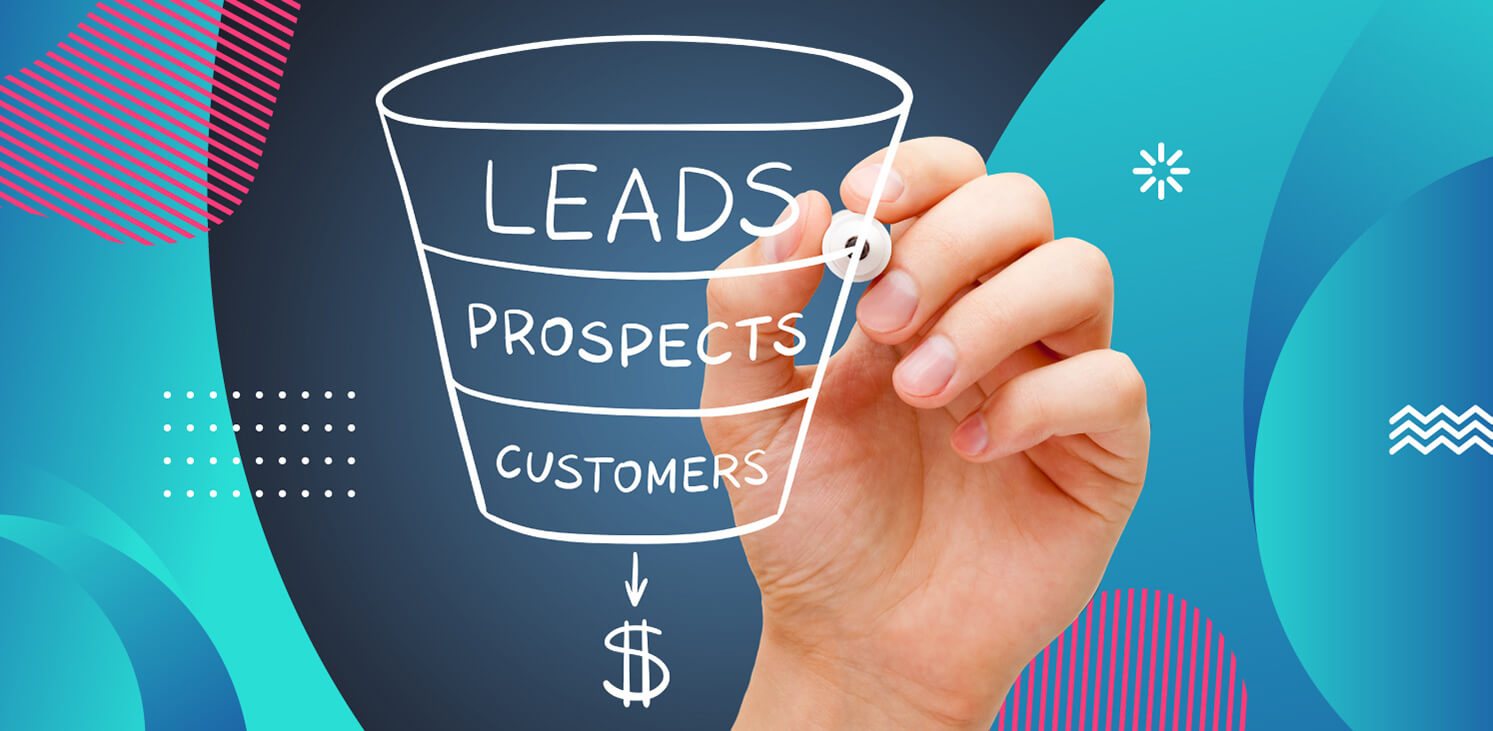
Lead generation is a process that every company eventually engages in. Brands need to get creative with content, email, social media, and other marketing channels to capture the attention of potential customers.
In this guide, we'll cover the purpose of lead generation, how to classify leads, and the most effective methods for generating them.
What Is Lead Generation?
Lead generation (often shortened to "lead gen") is the process of attracting consumer interest in a product or service with the goal of collecting their contact information (known as a "lead").
Key Statistics on Lead Generation:
- HubSpot: 50% of marketers consider lead generation their top priority in marketing campaigns.
- Parse.ly: 76% of marketers use content marketing for lead generation.
- Social Media Examiner: 68% of marketers say social media helps them generate more potential leads.
- Statista: 80% of B2B companies generate high-quality leads through LinkedIn using tools like Lead Gen Forms.
- Ruler Analytics: 39.5% of marketers state that access to accurate data improves their lead generation efforts.
Why Businesses Need Lead Generation
Lead generation helps businesses identify potential customers, engage with them effectively, and ultimately increase sales. Here are the main benefits:
- Targeting Quality Leads: Focus on specific consumers who respond to advertising campaigns and show interest in the brand.
- Increasing Brand Awareness: Campaigns ensure your brand is top of mind when customers are ready to make a purchase.
- Reducing Advertising Costs: Optimizing ad spending by concentrating on lead generation.
- Saving Sales Team Time: Automating lead generation allows sales teams to focus on converting leads.
- Tracking and Measuring Results: Analyze the effectiveness of campaigns and optimize efforts.
- Building a Loyal Customer Base: Engage consistently with leads to foster trust and relationships before a purchase.
B2B vs. B2C Lead Generation: Key Differences
While B2B and B2C share similarities, their approaches to lead generation differ significantly.
B2B (Business-to-Business)
- Longer and more complex sales cycles.
- Decisions made by committees or multiple stakeholders.
- Effective channels: email, webinars, trade shows, and LinkedIn.
- Focus on ROI and business metrics.
- Emphasis on long-term partnerships and after-sales support.
B2C (Business-to-Consumer)
- Shorter sales cycles with faster purchase decisions.
- Decisions made by individuals based on personal needs.
- Effective channels: social media, online ads, and email.
- Driven by emotional factors and brand interactions.
- Lower-cost, standardized products and services.
Types of Leads and Classification
Leads refer to information about individuals or organizations showing interest in a product or service. They can be classified based on their purchase readiness and source.
By Purchase Readiness
- Cold Leads: Potential customers showing no active interest yet.
- Warm Leads: Prospects who have engaged with the brand, such as subscribing to a newsletter.
- Hot Leads: Customers actively seeking information and ready to purchase.
By Source
- Organic Leads: Visitors from organic search results.
- Paid Leads: Generated through paid campaigns like Google Ads.
- Referral Leads: Acquired through client or partner recommendations.
Methods of Lead Generation
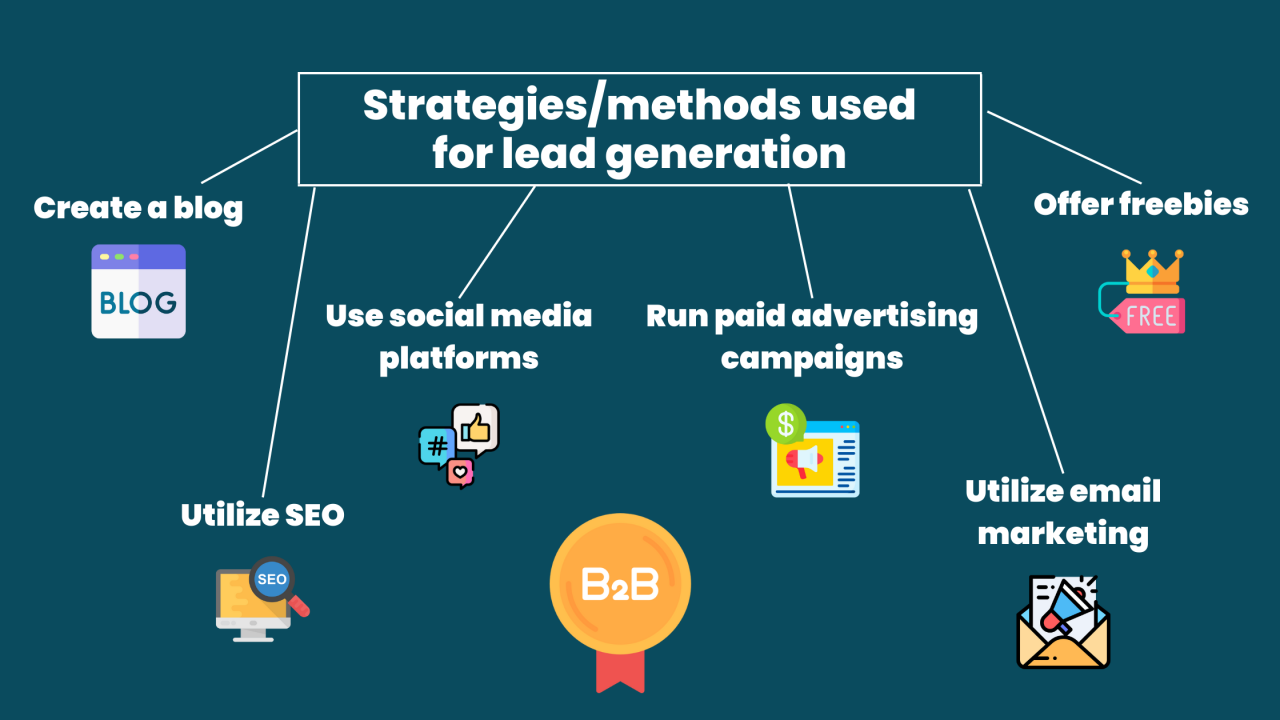
Here are the most common methods for attracting leads, tailored to various industries, audiences, and resources:
1. SEO (Search Engine Optimization)
Optimizing a website for search engines ensures it appears at the top of search results, driving organic traffic.
2. Content Marketing
Creating valuable content like articles, videos, and infographics attracts targeted audiences and builds trust.
3. Social Media
Active engagement on platforms like Facebook, LinkedIn, and Instagram helps attract and nurture leads through ads and interactions.
4. Email Marketing
Collecting potential customers' contact information through newsletter subscriptions helps convert subscribers into clients.
5. Paid Advertising
Platforms like Google Ads and Facebook Ads are powerful for targeting specific demographics and generating leads quickly.
6. Webinars
Hosting online events attracts audiences interested in the company’s expertise and collects contact information during registration.
7. Referral Programs
Encouraging clients to recommend the business to others can generate high-quality leads.
Choosing the Right Lead Generation Channel
Follow these steps to select the most effective channel:
- Analyze your target audience.
- Evaluate current channel performance.
- Define your budget and expected ROI.
- Test multiple channels and optimize campaigns based on results.
- Monitor competitors’ strategies.
- Plan for long-term growth.
The Importance of Cold Lead Generation for B2B
Cold lead generation focuses on reaching potential clients who haven’t interacted with the brand before. Benefits include:
- Access to new markets.
- A steady stream of leads.
- Increased sales volume.
- Product and service improvement through feedback.
Steps to Set Up Cold B2B Lead Generation
- Create an ICP (Ideal Customer Profile): Define traits of your ideal client based on existing customer data.
- Develop a Script: Tailor communication to audience needs and pain points.
- Automate Processes: Use tools to streamline lead generation and nurturing.
- Conduct A/B Testing: Experiment with different scripts, offers, and CTAs.
- Regular Reporting: Analyze KPIs such as conversion rates and CAC to refine strategies.
Conclusion
Lead generation is essential for identifying and engaging potential clients, ultimately driving sales growth. By understanding B2B and B2C differences, classifying leads, and leveraging the right channels, businesses can optimize their strategies for success.